

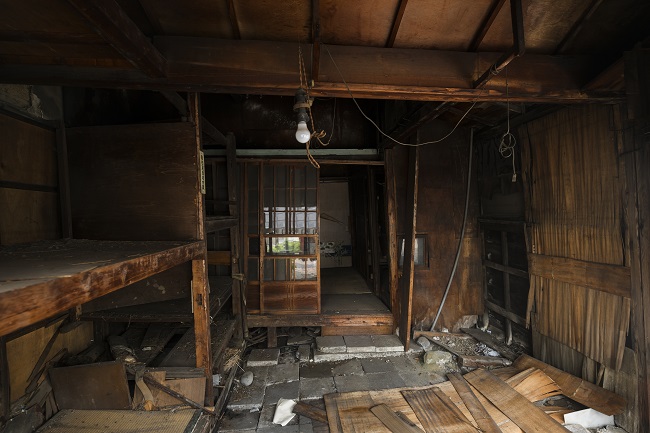
Flooding can wreak havoc on homes and personal belongings. From furniture to electronics, important documents, and priceless heirlooms, floodwaters can severely damage or completely destroy your most precious possessions. However, with some strategic planning and selective restoration efforts, it is possible to salvage cherished items.
In this article, we embark on a journey into the world of flooding, a natural disaster that can turn your life upside down in an instant. From cherished family heirlooms to vital documents and modern electronics, we will explore strategic planning and meticulous restoration techniques that offer a glimmer of hope in the face of such devastation.
1. Assess Damage to Belongings
After floodwaters recede, thoroughly evaluate all belongings for damage. Make note of items that are completely destroyed and must be discarded. Then, categorize the remaining items as either requiring professional restoration services or possible to restore yourself.
Consider the type of damage, including contamination from sewage, mud, and moisture. Estimate costs for repairs and replacements. Photograph or take a video of all damage for insurance claims. If you lack the expertise to determine what can be salvaged, consult disaster restoration specialists. They can provide an expert assessment.
2. Clean Surfaces and Textiles
For many household surfaces and textiles impacted by floodwaters, thorough cleaning is the first step toward restoration. Use a mild detergent and warm water to gently wash mud from walls, floors, wood, and metal fixtures. Disinfect all surfaces once cleaned. For clothing, linens, curtains and other textiles not contaminated by sewage, run through the laundry using the hottest water safe for the fabric.
Add bleach or sanitizing detergent. Air dry textiles completely. Wool, silk, and specialty fabrics should be taken to a dry cleaner familiar with restoration. Inform them of any contamination. If sewage contaminates the textiles, sadly they may be unsalvageable.
3. Restore Wood Furniture
Wood furniture often can be restored after flooding if the damage is not too extensive. Allow wood pieces to air dry gradually to prevent cracking and warping. Clean with a wood cleaner, then gently polish and buff surfaces. Assess any structural damage and make repairs by gluing loose joints or reinforcing unstable legs and frames.
Check for warping that may require professional refinishing. Look for signs of deterioration or flaking under the surface after drying. Refinish damaged wood with stain or paint. Monitor regularly for new damage or mold after restoration. Discard furniture if it presents a health hazard.
4. When to Call the Professionals
Recognizing when to bring in professionals for flood damage restoration is pivotal to an effective recovery process. While homeowners can manage various aspects of restoration, certain situations demand the expertise of specialists. Structural damage resulting from floodwaters necessitates the involvement of experienced general contractors who can thoroughly assess and address complex repairs.
Mold and microbial growth are red flags, and in these cases, contacting mold remediation specialists promptly is critical to prevent the proliferation of spores and potential health hazards. Professional water extraction services should be engaged when extensive drying and moisture reduction are required. For exceptionally rare, delicate, or highly valuable items like artwork, antiques, and custom fixtures, restoration by qualified specialty providers is strongly recommended.
Additionally, in the case of irreplaceable documents like family records, archive recovery services may hold the key to restoring these crucial records. Lastly, in situations involving sewage contamination, it is essential to prioritize health and well-being by hiring professional cleaning services to handle the cleanup.
5. Create an Emergency Plan
Nevertheless, when facing flood damage, it helps to be prepared with an emergency action plan for responding. This involves determining your priorities for what to salvage before flooding occurs. Focus efforts on protecting and restoring sentimental items like photos or family heirlooms that can’t be replaced.
Also, prioritize expensive valuables and important documents to recover. Have the equipment, materials, and contacts ready to swiftly take action when needed. When salvaging items, work methodically and carefully to avoid causing further damage as belongings are moved. Document the condition of damaged items with photos/video.
Track restoration processes for each item. Maintain detailed records of damage and expenses for insurance claims. Knowing what to do ahead of time allows you to respond calmly. Share this emergency plan with family members so they can also help implement it if disaster strikes.
In a Nutshell…
Flood damage can be emotionally devastating, as your home and belongings are ruined. But taking careful stock of what can be saved, thoroughly cleaning, and consulting restoration professionals when prudent can help you reclaim your precious items. With time and care, you can once again surround yourself with the familiar objects that hold such sentimental value in your home.
